Your team uses AI. The work between teams still stalls.
A two-day, hands-on workshop for product and design teams and the colleagues they work with. We map your real workflows end to end, find the steps where AI can save time or improve quality, and build working prototypes you can test afterwards.
- 2 days, in person
- 10 to 15 people
- Built on your own material
- Follow-up sessions
We work on whole workflows
Most AI training teaches individual tasks, like drafting a document faster. But work usually slows down, or goes wrong, when it passes from one person or team to the next. So we look at the whole workflow, from the first input to the final result.
Instead of
“Here are ten prompts for writing a PRD.”We ask
How does customer feedback become work Engineering can pick up, where does it stall, and what should AI do at each step?Preparation, two days of focused work, then follow-up
Before
2 to 3 weeks ahead
Preparation with your team
We agree the workflows to focus on, follow a recent real example of each from start to finish, and gather sample material. From this we prepare draft workflow maps and realistic practice cases, so the workshop starts with how your team actually works.
Day 1
Morning
Shared foundations
A practical session so everyone starts from the same baseline: what AI does well, where it needs careful checking, how to give it the right context, and how to judge the quality of what it produces. Exercises use your own material.
Day 1
Afternoon
Reviewing the workflows
The team reviews and corrects the draft maps: the steps, the people involved, where context gets lost or duplicated, where work waits on one person, and where quality slips. We then pick the points where AI can help most, and the points where a person needs to make the call.
Day 2
Full day
Prototyping and testing
Small groups each redesign one workflow and build a working prototype, tested on real or representative cases. That might be reusable prompts and templates, a structured artefact that carries context between teams, or a small automation. Each group presents what worked, what didn't, and what it would take to use it for real.
After
Weeks following
Follow-up sessions
Each workflow owner runs their next experiment in real work. We come back to review the results together, help fix what didn't hold up, and decide what to keep, change or scale. The number and timing of follow-ups is agreed during scoping.
Workflows teams often choose
Discovery → delivery
From customer input to work that's ready to build
Synthesising customer and market inputs, getting to a strong product brief, spotting gaps early, and getting work ready for Engineering without the PM becoming a bottleneck.
Product ↔ Design ↔ Engineering
Handoffs that keep their context
The points where context gets lost or duplicated, and how AI can help maintain it and raise the quality of artefacts moving between teams.
Operations & business
Where Product sits in the middle
Workflows spanning Business, Operations, Tech and customers, with a lot of information to consolidate, interpret and communicate.
Product management
More leverage for PMs
Research, analysis, problem framing, prototyping, documentation and communication, and where the PM still needs to make the decision.
We usually cover two or three workflows so there's enough time for each. PM work comes up in all of them, so we cover it throughout rather than as a separate workflow.
What your team takes away
Redesigned workflows
Two or three workflows, each with a working prototype tested on real cases.
A shared baseline
A common way of using AI well, including how to check outputs and keep ownership clear.
A next experiment
For each workflow, a concrete next step with an owner and a way to measure whether it improves speed or quality.
Evidence it worked
Follow-up reviews of each experiment, so you can report what changed and decide what to scale.
Led by people who have built products at scale
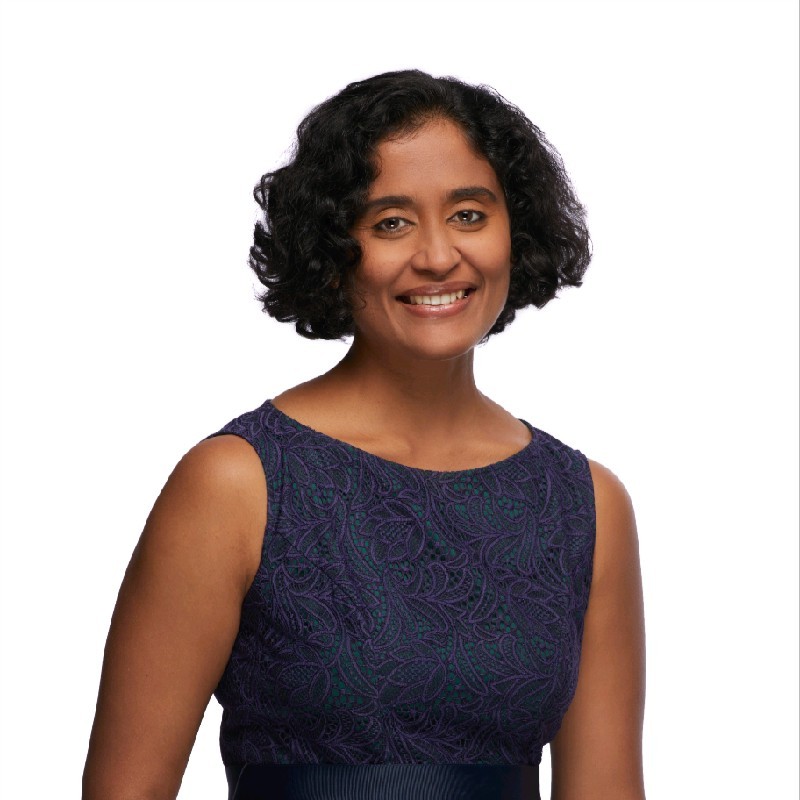
Deepika Murthy
Product judgment & AI product building
Nineteen years across engineering, growth, marketplaces, platforms and product. At Gojek, led product strategy for pricing, matching, batching, allocation and fulfilment systems across Transport, Food and Logistics, while driving GenAI adoption across the PM organisation. Earlier at Rakuten Viki, moved from video engineering into product and growth, launching and scaling a global subscription product to 200,000+ paid subscribers. Co-founder of Women in Product Singapore.
- Gojek
- Rakuten Viki
- Women in Product SG
- Top Women in Product APAC
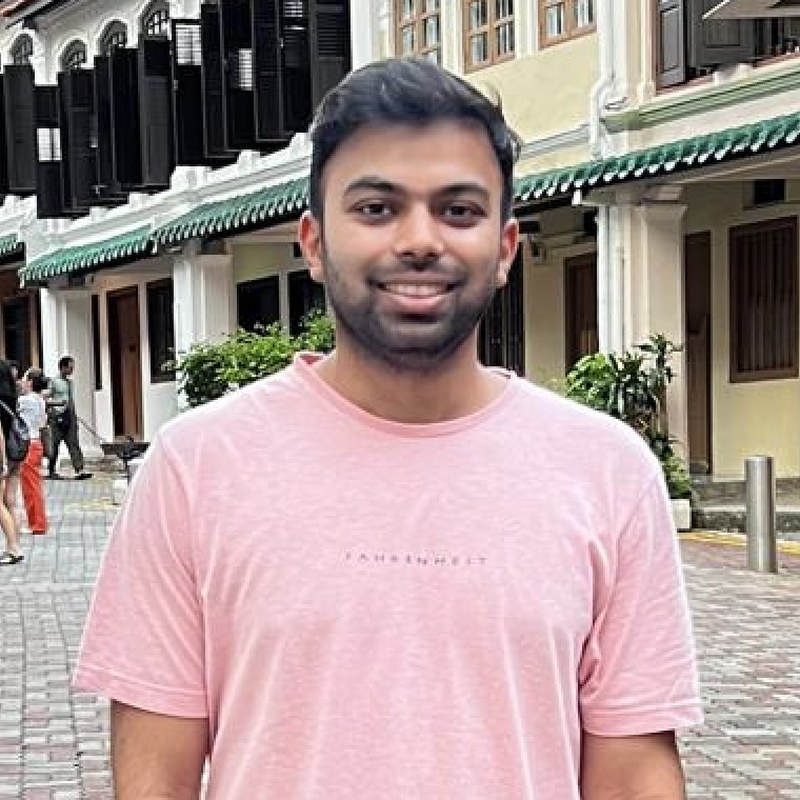
Rajat Goyal
Applied AI & agentic products
A builder across fintech, edtech, consumer apps, ride-hailing and applied AI, with a decade of building and scaling production systems and the teams behind them. Most recently leading learning systems and applied AI at Aampe, scaling millions of per-user AI agents and building agentic martech products. Earlier headed transport engineering at Gojek (millions of daily bookings across Singapore and Indonesia), and built financial and education platforms at Arcesium (D. E. Shaw Group) and Vedantu.
- Aampe
- Gojek
- Arcesium
What product people say about the Builder Course
The Builder Course gave me a much better understanding of how AI applications are actually built and the key design decisions that need thoughtful consideration rather than simply outsourcing everything to AI.
The Builder Course gave me a good understanding of the full process of bringing an AI agent to life, from framing the problem and designing the solution to building, deploying and evaluating the agent.
The Builder Course has helped me to improve my AI literacy beyond prompting and connectors. I enjoyed learning concepts such as agent specification files and system design. It was great having personalised coaching from engineering, product and design leads as well!
Light preparation, so the workshop runs on real work
Scoping and walkthroughs
We agree the workflows, then follow one recent real example of each from start to finish with the people who run it.
Sample material
A few recent examples of what each workflow produces. Sensitive details can be removed or replaced with realistic dummy values.
Tools and guardrails
We work inside the AI tools your team has approved, so anything we prototype can be used after the workshop.
Owners and protected time
An owner for each workflow who takes the next experiment forward, and participants free from day-to-day work for both days.
1 to 2 hours of preparation per participant
A little more from each workflow owner
2 days in the workshop
Format and logistics
- Group size
- 10 to 15 people
- Core product and design team, plus colleagues from both sides of each handoff.
- Format
- 2 days, in person
- Preparation beforehand and follow-up sessions afterwards.
- Tools
- Your approved AI tools
- Nobody needs to write code. Prototypes range from templates to small automations.
- Data
- Anonymised first
- Sample material is anonymised or replaced with dummy values before we use it.
- Workflows
- 2 to 3 per workshop
- Chosen with you during scoping.
- Pricing
- Scoped per engagement
- Depends on format, number of workflows and follow-up. Shared after the scoping conversation.
Does the team need prior AI experience?
No. Day 1 morning brings everyone to a shared baseline, and the preparation survey tells us where people are starting from, so exercises are pitched at the right level.
Does anyone need to code?
No. Most prototypes are structured prompts, templates and artefacts that carry context between teams. Where a small automation makes sense, we build it together using tools your team already has.
Can the format be adapted?
Yes. The balance between foundations, workflow work and follow-up is shaped around your team's experience and priorities during the scoping conversation.
Who should attend from outside product and design?
Whoever owns the inputs or receives the outputs of the chosen workflows. For example, an engineering lead for a handoff workflow, or colleagues from Operations or Business for an operational one.
Start with a scoping conversation
We'll talk through how your team uses AI today, where work slows down, and which workflows to focus on. From there we shape the agenda, the follow-up and the proposal around your priorities.